WildlifeAug 2026 · 6 min read
Tracking the Ethiopian Wolf on the Sanetti Plateau
At 4,000 metres, the roof of the Bale Mountains hides Africa's rarest carnivore. Here's what a dawn on the plateau really looks like.
DF
Dawit FikiruContributor
The Roof of Bale
The Sanetti Plateau is the largest expanse of Afro-alpine habitat on the continent, a treeless moorland of giant lobelia and frost-cracked rock that sits above 4,000 metres. Mornings here begin cold enough to see your breath, and the light arrives sideways, gilding the tussock grass.
It is also the best place on earth to see the Ethiopian wolf — a slender, russet-coated canid rarer than the giant panda, with fewer than 500 left in the wild. Roughly half of them live in Bale.
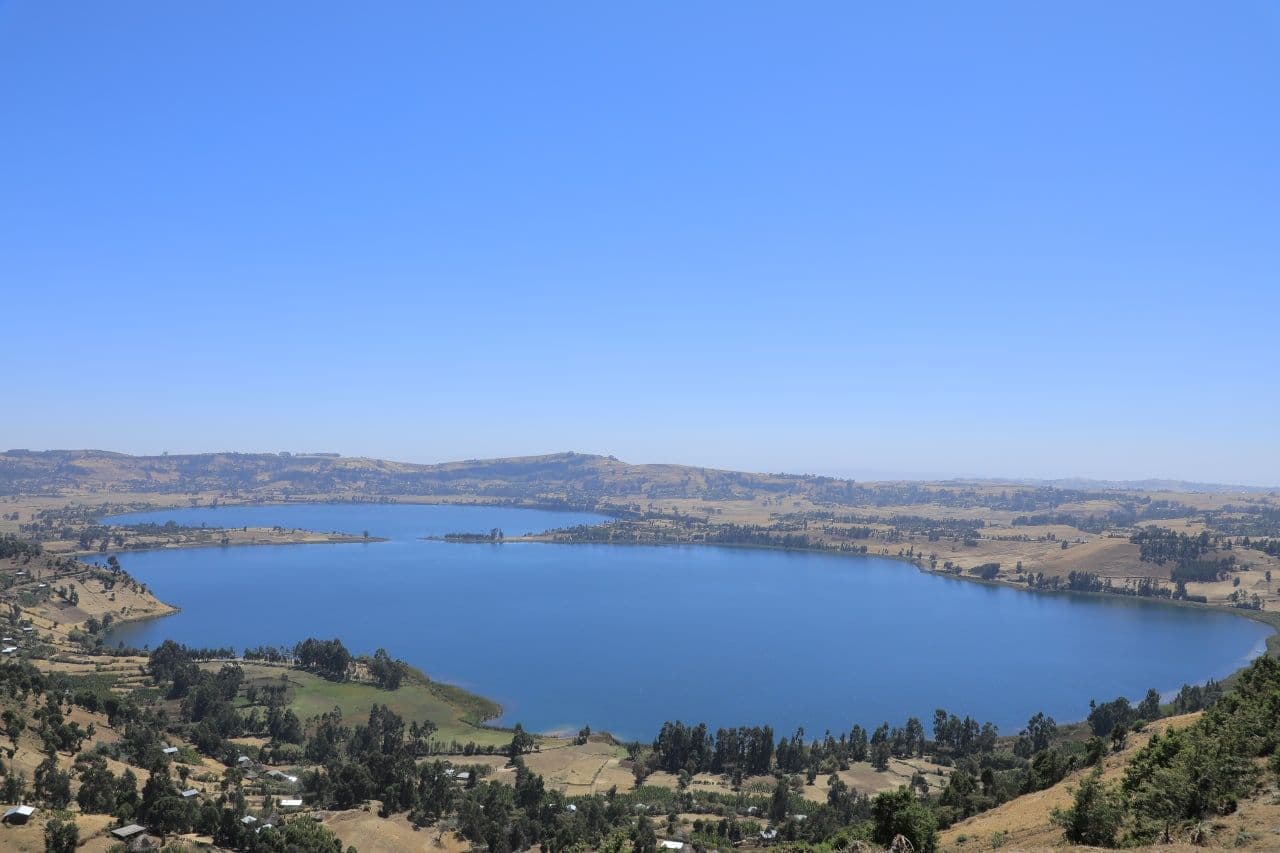
roof of bale
A Dawn Vigil
We set out before sunrise with a park guide who has tracked the plateau's packs for eleven years. Wolves hunt the endemic giant mole-rat at first light, trotting the shallow valleys with an unhurried, purposeful gait.
Patience is the whole game. You scan, you wait, and then a shape resolves against the grass — ears up, tail low — and the morning changes entirely.
Why Your Visit Matters
Tourism revenue funds the ranger patrols and vaccination programmes that keep the wolves ahead of disease and habitat loss. Travelling with certified local guides puts money directly into the communities living alongside the park.
Come for the wolf; leave having helped keep it here.