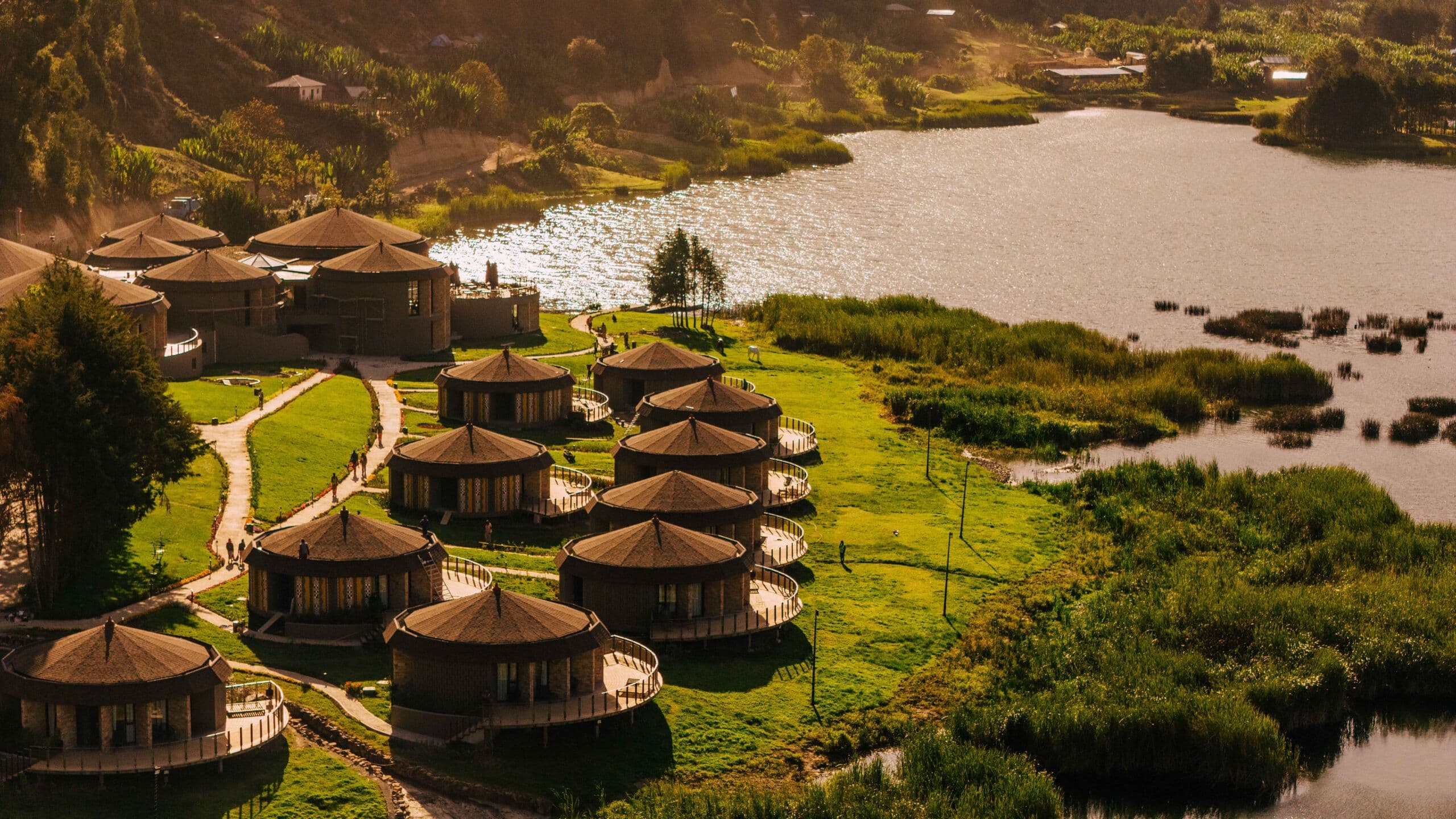
📍 West Shewa, Oromia
A UNWTO-recognised highland village wrapped around a crater lake, 155km west of Addis Ababa.
Just 155km from Addis Ababa via the Ambo or Waliso road lies a hidden gem known as the Wanchi-Dandi Ecotourism Village. This picturesque destination offers a unique experience for nature lovers and adventure seekers alike. Nestled in the heart of nature, the village provides a tranquil haven away from the chaos of urban living, with breathtaking landscapes, diverse flora and fauna, and outdoor activities that suit every age group.
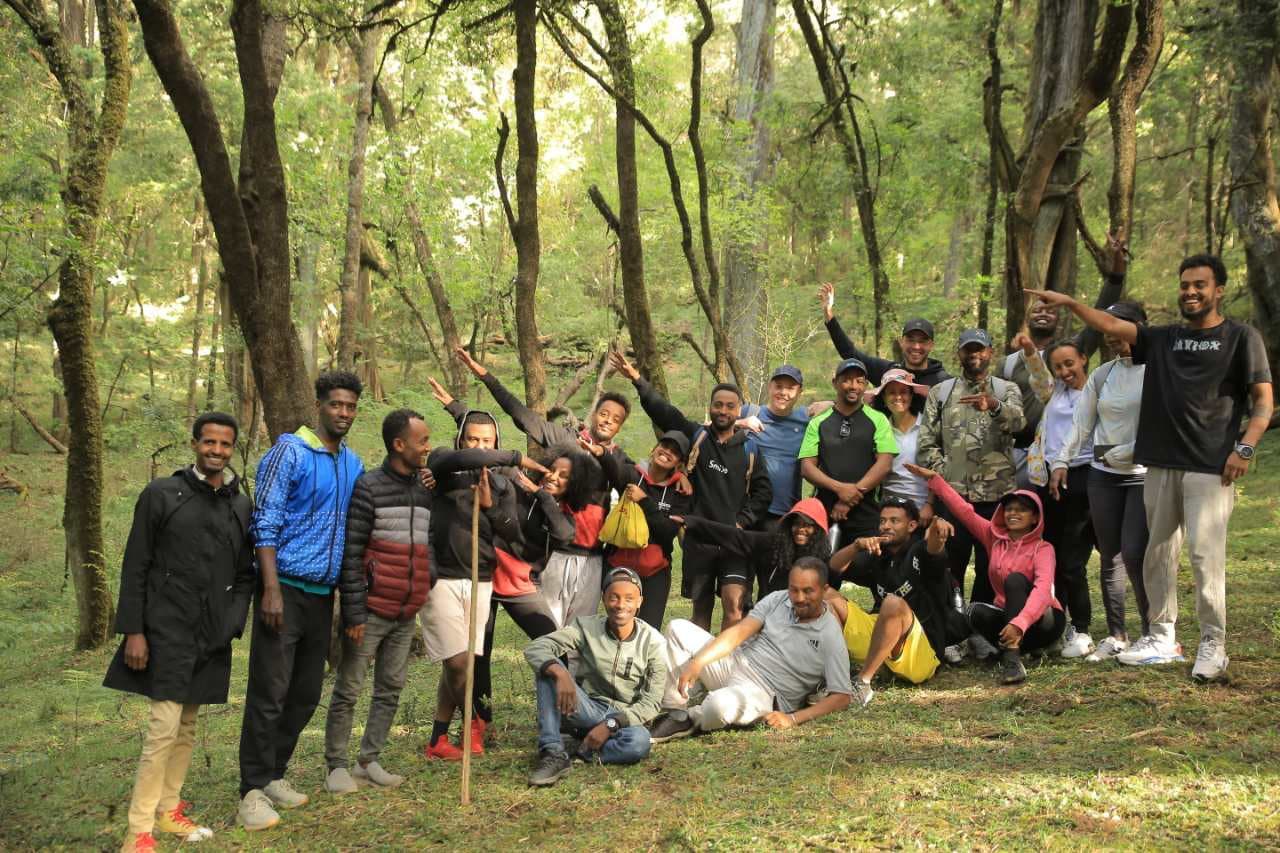
For hiking lovers, the magnificent Wanchi Crater Lake provides a serene environment to explore. Treks lead through lush greenery, towering cliffs and sweeping viewpoints, and the pristine water of the lake leaves you feeling rejuvenated and at home with nature.
If you are a fan of outdoor sports, the Dandi Lake area is easily accessible and offers endless opportunities for cycling, running and other activities. Feel the adrenaline rush as you ride along the tranquil shores, or enjoy an invigorating jog amidst the stunning scenery.
Recognised by the United Nations World Tourism Organization as one of the best tourism villages, Wanchi-Dandi offers a wide array of attractions to captivate visitors. The crystal-clear lake water transports you to a world of picturesque beauty and leaves you in awe.
Your visit is arranged end to end: all village entrance and conservation fees are covered, and a local community guide accompanies you for the whole route through the UNWTO-awarded eco-village.
On the water, a boat transfer takes you across Wanchi Crater Lake to the island monastery. On land, the programme includes horseback riding with local handlers and mountain trekking down to the lake shore and back up the crater rim.
The natural mineral hot springs and the waterfall below the rim are part of the itinerary, along with a cultural heritage session hosted by the village community itself, so the money you spend stays in the valley.
Not included: personal travel insurance, gratuities for the horse handlers and boatmen, and alcoholic drinks or souvenir purchases.
Travel with community-owned guides who know every trail and story. Your visit directly supports conservation and local livelihoods across the region — part of what makes Oromia’s abundance possible.